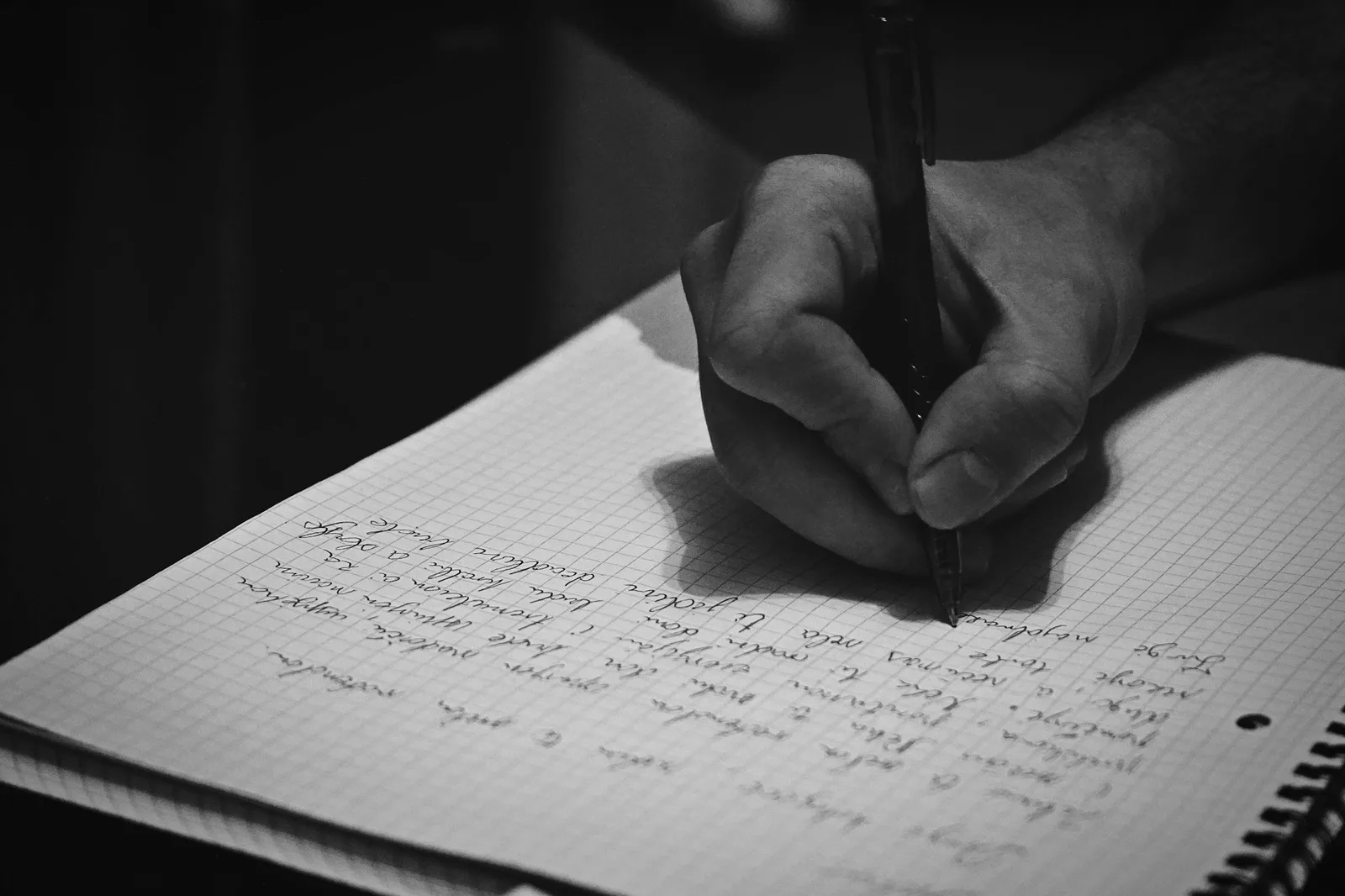
You have gathered the letters and chosen the photos. Now you want to write a note inside the mission book, and somehow those few sentences are taking longer than expected.
A mission book dedication can be simple. Say who the book is for, why you wanted to preserve it, and what you hope they enjoy about reading it. Add your name and the date so the note has a place in the family story too.
Start With the Reason You Made the Book
Think about what made you want to collect the letters. Maybe you looked forward to every email. Maybe you found an old email archive and wanted the writer to have a copy they could hold.
Use that reason in the opening sentence. You do not need to sound like the dedication page of a famous novel. The person receiving the book knows you, and your words will feel more personal.
For example, you could begin by saying that you wanted all the little weekly stories to stay together. Then mention one kind of detail you enjoyed, such as the love for the people, reading about your growth, the language mistakes, or the descriptions of new places.
Try This Short Template
For [name],

I wanted to put these letters together because [your reason].
I especially loved reading about [one specific detail or part of the experience].
I hope this book helps you remember [what you hope they will find in its pages].

Love,
[Your name]
[Date]
Fill in the parts that sound natural. You can remove a sentence if the note feels too long. Nobody is grading the dedication.
An Example From a Parent
Here is a made-up example you can adapt:
For Anna,
We loved opening your emails each week and hearing about the life you were building so far from home. I wanted the stories about your companions, your struggles, and the things you were learning to follow Christ. I hope you enjoy finding the little moments again.
Love, Mom
The specific details make the note personal. Replace them with things that actually belong to your family rather than using the example word for word.
An Example From the Returned Missionary
You may be making the book yourself and writing to the family who received the letters. Here is another invented example:
For my family,
These are the updates I sent while I was away. Some weeks I had plenty to say, and some weeks I mostly sent pictures. Thank you for reading, writing back, and helping home feel close. I am glad we kept these.
With love, Daniel
You can also write a note to future readers. Explain whose letters they are and what period they cover. A child reading the book years later may appreciate that small introduction.
Keep a Dedication Separate From an Introduction
The dedication is the personal note. An introduction can explain the dates, places, unfamiliar terms, or how you selected the letters.
Trying to fit all of that into the dedication can make it feel crowded. If you have more to explain, keep the note short and put the background in a separate section where your book format allows it.
For help organizing that background, see our mission timeline guide.
Decide Where the Note Will Go
You can write a dedication in your own finished copy, include it on a card with the gift, or add introductory material by adding a new timeline event and setting it before any email dates. Check the book preview before assuming that an added entry will appear on a particular page.
If the book will have several recipients, decide whether everybody should receive the same note. A personal handwritten message in each copy can be a nice finishing touch.
Letters Home helps bring the letters and photos into a book-ready collection. See how it works, or read our homecoming gift guide if you are planning to give the finished book to someone.